
A comprehensive Seaweed Roadmap 2047 aimed at accelerating the development of India’s seaweed sector and strengthening the country’s blue economy was released by the Kerala University of Fisheries and Ocean Studies (KUFOS).

The document, titled “Seaweed Roadmap 2047: The Cochin Declaration,” was unveiled during the valedictory session of the international scientific symposium “S.E.A.W.E.E.D.S. 2026 – Value Chains, Climate Solutions and Blue Economy Pathways” organised by the university in Kochi from March 5 to 7. The roadmap is expected to serve as a milestone in advancing a seaweed-based blue economy in India.
“Seaweed Roadmap 2047: For Coastal Livelihoods, Climate Solutions and Blue Economy Growth,” outlines comprehensive national strategies to position India as a global leader in sustainable seaweed production, marine biotechnology and ocean-based climate solutions.
Seaweed Industry to Shape India’s Blue Economy
Seaweeds are widely recognised as valuable marine resources that can support global food security and livelihoods. While global production currently stands at about 35 million tonnes, India’s output remains at roughly one million tonnes, highlighting the vast untapped potential of the sector.The roadmap notes that India’s 11,000-km coastline, rich tropical marine ecosystems, internationally recognised scientific research institutions, and large coastal human resources provide strong foundations for establishing a robust seaweed industry. If these natural advantages are effectively utilised, the document states that India could emerge as a global economic power in the seaweed-driven blue economy by 2047.

Livelihood Opportunities for Coastal Communities Ahead
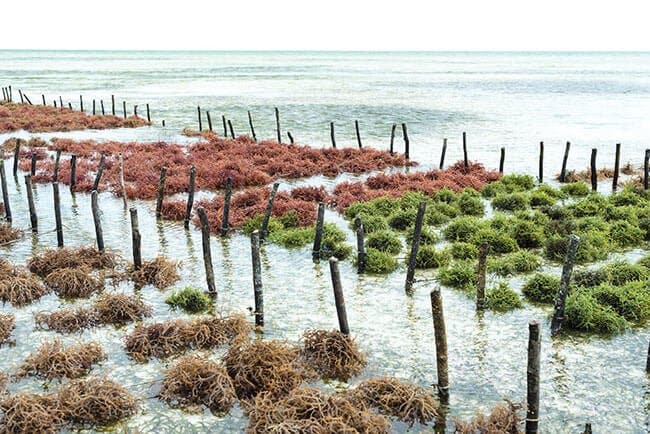
Seaweed farming is recognised as a low-cost, climate-resilient and environmentally friendly cultivation practice. The roadmap emphasises that the sector can create significant employment opportunities for coastal fishing families, particularly women and community-based groups. It highlights the importance of livelihood diversification for coastal populations, women’s empowerment, job creation in seaweed-based industries, and the formation of cooperative societies to ensure the long-term sustainability of the sector.
Ocean-Based Climate Solution
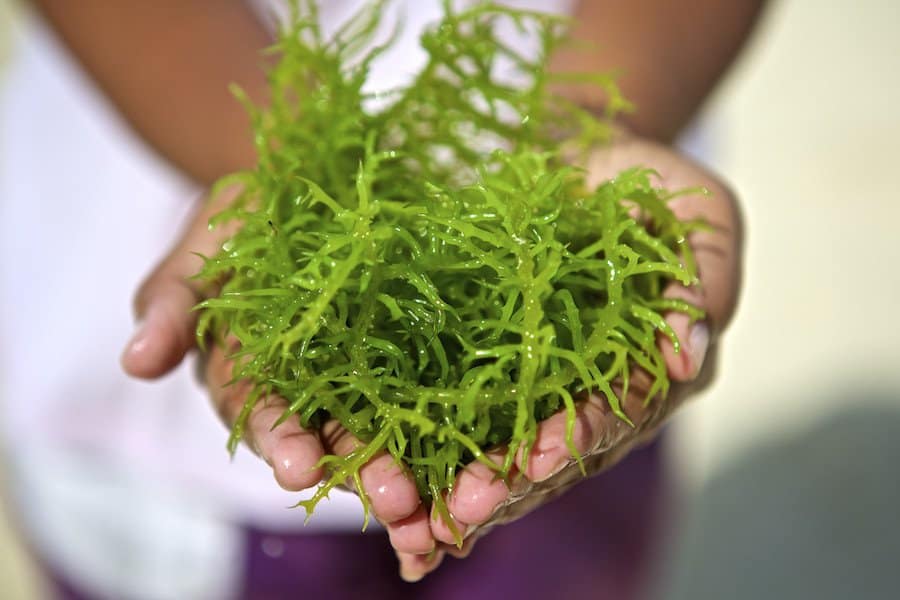
Seaweeds play an important ecological role by absorbing greenhouse gases and excess nutrients from aquatic ecosystems, thereby helping maintain environmental balance. They also provide habitat for diverse marine organisms. The roadmap therefore strongly recommends the sustainable utilisation of seaweeds as an effective ocean-based solution for climate change mitigation and ecosystem restoration.
Building a Seaweed Bio-Economy
Beyond direct food consumption, seaweeds are increasingly recognised worldwide as valuable raw materials for a wide range of products including functional foods, nutraceuticals, pharmaceuticals, cosmetics, biofertilisers, agricultural biostimulants, biodegradable consumer products and bioplastics, as well as renewable bioenergy sources. Accordingly, the roadmap proposes the establishment of seaweed biorefineries, marine biotechnology hubs, seaweed-based product innovation platforms, and technology-driven start-ups including artificial intelligence-enabled enterprises.